Blog
How does alcohol affect the immune system?

This temporary impairment can leave the body more vulnerable to immediate bacterial threats. Alcohol can have a range of harmful effects on the body, which can diminish a person’s immune response and put them more at risk for COVID-19. In the lungs, for example, alcohol damages the immune cells and fine hairs that have the important job of clearing pathogens out of our airway. The spike in alcohol sales has alarmed health experts and officials around the world, who are concerned that increased drinking alcohol and immune system could make people even more vulnerable to the respiratory disease. We’ve seen how drinking heavily hampers the immune system’s ability to detect and eliminate abnormal cells. During the process, the immune “surveillance” is impaired and your immune system cannot detect and kill cancer cells.
Innate Immune system
This includes a heightened risk for specific cancers such https://bokhaldogkennsla.is/sleep-drunkenness-causes-symptoms-and-treatments/ as those of the head and neck, esophagus, liver, colorectal area, and breast. Impaired immune surveillance, where the immune system fails to detect and destroy abnormal cells, is believed to play a role in this increased cancer risk. There are several negative health problems that could arise due to frequent drinking. Since there is a link between alcohol and the immune system, things only escalate as heavy drinking continues.
Molina Insurance Coverage for Drug & Alcohol Rehab Treatment
To mitigate this, it’s advisable to limit alcohol intake in cold conditions and wear appropriate insulation to retain body heat. Alcohol’s effects on the body are complex, and its impact on body temperature is no exception. While many believe alcohol warms the body, scientific evidence suggests a different story. When you consume alcohol, it causes blood vessels to dilate, particularly those near the skin’s surface. This dilation increases heat loss to the environment, leading to a decrease in core alcoholism treatment body temperature. To mitigate the negative effects of alcohol on your immune system, it is important to adopt strategies for reducing alcohol intake and implement lifestyle factors that can boost your immunity.
- During an overwhelming inflammatory response, however, neutrophils, lymphocytes, and other tissue cells also can be sources of inflammatory cytokines.
- However, when alcohol enters the picture, it can disrupt the balance and function of these systems.
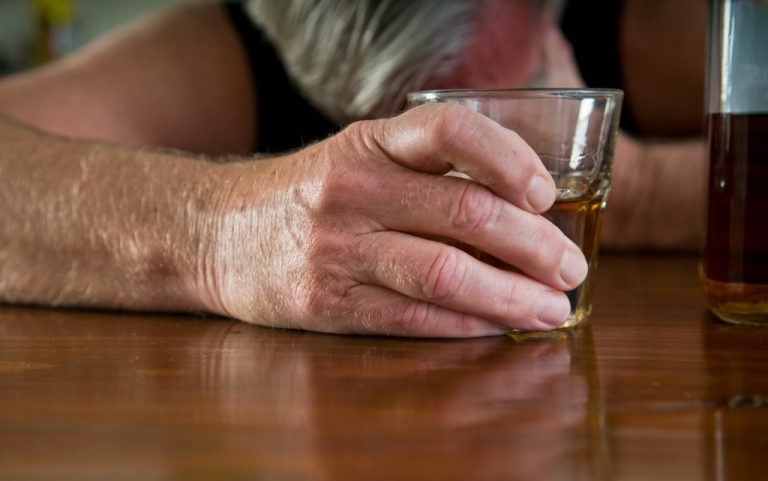
- Alcohol, when consumed regularly and in excess, can weaken the immune system.
- One such receptor, called the glutamate receptor, is responsible for memory and learning.
- The negative effects of ethanol lead to alcoholic cirrhosis, where healthy liver tissue is replaced by scar tissue.
The Innate Immune System
Remember how alcohol disrupts the protective barrier in the gastrointestinal tract, compromising its ability to regulate the passage of substance? This disruption in barrier function can result in gut-related issues, including inflammation. A healthy immune system also maintains proper inflammatory balance as too much or too little inflammation can damage health. The Centers for Disease Control and Prevention (CDC) defines excessive drinking as eight or more drinks a week for women, and 15 or more drinks a week for men. The CDC also defines binge drinking as four or more drinks in two to three hours for women, or five or more drinks in that same time period for men.