


Blog
Seasonal Health Tips for Seniors: Staying Healthy Through Summer and Winter

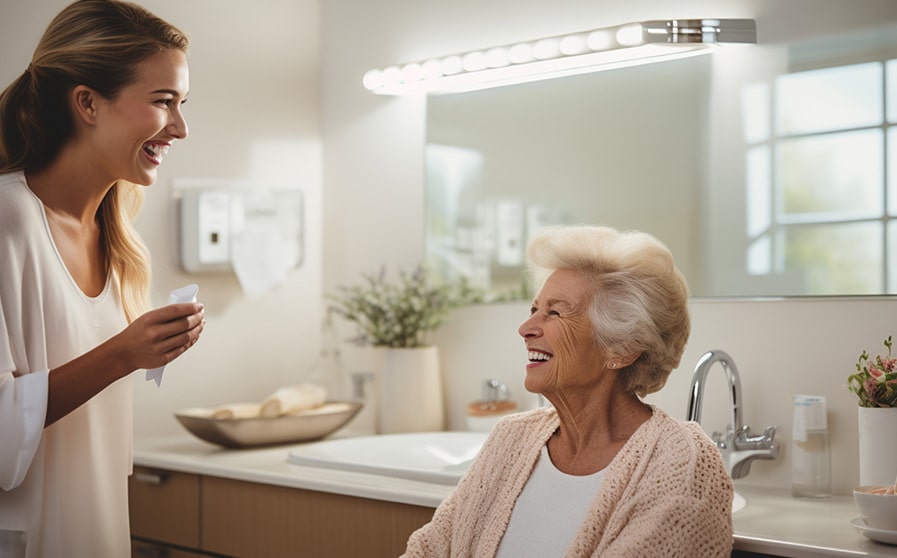
My neighbor Margaret talked to me when I was bringing in the mail yesterday. She’s 82 years old, very clever, and often has a funny comment prepared. But not this time.
“I don’t know what’s happening to me,” she said, resting on her cane. “Last week, I was doing well.” Today I went to the mailbox and felt I’d run a marathon. “It’s not even that warm outside.” I said that “not that hot” really meant 88 degrees with humidity so high you could almost swim in the air.
She said goodbye to me with a wave. “I’ve experienced eighty summers.” “This shouldn’t affect me like this.” But here’s the truth that Margaret didn’t want to face: our bodies change as we get older, and the seasons feel different than they used to. What was a small problem at 50 can turn into a serious health risk at 80. And most of us don’t learn how to adapt.
Let’s discuss how to deal with very hot summers and very cold winters so you or your older family members can stay safe, comfortable, and enjoy the different seasons.
Why Seasons Hit Harder as We Age
Before we look at checklists and tips, it’s good to know why summer and winter feel different as we get older.
In simple terms, as we get older, our bodies have a harder time controlling our temperature.
You become less sensitive to heat and cold. You sweat less, so it’s harder to cool down. Blood vessels don’t narrow and widen as well. Long-term health problems like heart disease or diabetes make things more complicated. Some medications, such as blood pressure pills, antidepressants, and allergy medicine, can affect how your body regulates its temperature.
It’s not your fault at all. It’s just science about how things work and living things. But it means you can’t trust the same gut feelings you had when you were 40. When you start to feel too hot or too cold, your body might already be having problems.
Let’s split this into two parts: summer and winter. I’ll share important information with you, not the usual advice like “drink water and wear a coat” that you’ve heard many times before.
Summer: Beating the Heat When Your Body Can’t Keep Up
I really like summer. Longer days, plants getting bigger, grandkids coming to visit. But summer is also when I feel most concerned about the older people I know.
Many deaths from heat can be avoided, but they still occur every year because people don’t understand how dangerous the heat can be. Heat exhaustion and heat stroke are serious conditions. And they don’t always show up in a big way.
The Early Warning Signs Nobody Talks About
Most people know the big red flags: confusion, passing out, extremely high body temperature. But by the time those show up, it’s an emergency.
The earlier, quieter signs matter just as much:
- Not sweating even though it’s hot(this is bad sweating is how you cool down)
- Muscle cramps, especially in legs or stomach
- Feeling dizzy or lightheadedwhen standing
- Suddenly feeling exhaustedfor no clear reason
- Nausea or just not feeling hungry
- Dark urine or not urinating much(dehydration sign)
If you notice these in yourself or an aging parent, don’t wait. Get inside, cool down, drink something. Not ice water cool water. Ice can shock the system.
Hydration: It’s Not Just About Drinking More
Drinking enough water. I want to say something that might seem odd: you can still be dehydrated even if you’re drinking water.
Here’s the reason why. As we get older, our bodies keep water in different ways. Kidneys can change.
Medications work to make you urinate more. By the time you feel thirsty, your body is already starting to get too dry.
- Start early.Don’t wait until noon to think about water. Have a full glass first thing in the morning.
- Spread it out.Chugging 32 ounces at once doesn’t work like sipping throughout the day does.
- Eat your water.Watermelon, cucumbers, oranges, grapes, lettuce these count. If someone isn’t drinking enough, try offering cold fruit.
- Watch the wrong drinks.Coffee, black tea, and alcohol can dehydrate. If you’re having them, add an extra glass of water alongside.
- Check your meds.Ask a pharmacist if any of your medications increase dehydration risk. Diuretics (water pills) are obvious, but some antidepressants and blood pressure meds do it too.
The Best Times to Be Outside
Here’s an easy rule that really helps: do things before 10 a. m or after 4 p.m.
The sun is at its highest and hottest from 10 AM to 4 PM.
If you can plan walks, gardening, or chores for times outside of those hours, you greatly lower your risk.
If you absolutely have to be out during peak heat:
- Find shade whenever possible
- Wear a wide-brimmed hat (baseball caps don’t protect ears and neck)
- Light-colored, loose clothing reflects heat
- Take breaks set a timer if you have to
Air Conditioning Isn’t Optional
I know some older people don’t want to use air conditioning. The price The “I’m okay” mindset. The memory of growing up without it.
But here’s the truth: fans don’t work well when it’s very hot. When the temperature gets to the mid-90s, fans only move around hot air. They don’t lower your body temperature.
If money is a problem, check out help programs. Many places offer help with air conditioning for older people who have low incomes. Local Area Agencies on Aging can help you find resources. Some neighborhoods have places where you can go to stay cool for a little while.
If you go to see an older family member and their house is very warm, don’t complain. Gently assist them in turning on the air conditioner. Or take them to your home. To a library or shopping center. Heat stroke doesn’t pay attention to your pride.
The Summer Clothing Checklist
- Fabric matters:Cotton and linen breathe. Synthetics can trap heat.
- Color matters:Light colors reflect. Dark colors absorb.
- Coverage matters:More skin isn’t always better if it means direct sun. Long, loose sleeves can actually be cooler than bare arms in direct sun.
- Shoes matter:Pavement gets hot enough to burn feet. Seniors with neuropathy might not feel it happening.
Winter: Cold Weather Risks You Might Not See Coming
Winter has its own risks, and they can be trickier than you might expect.
Cold weather puts a strain on the heart. Blood vessels get narrower to keep heat in, which makes blood pressure go up. The heart puts in a lot of effort. For someone with heart problems, easy things like shoveling snow or walking to the mailbox can cause issues.
And then there’s the part about feeling alone. Days are shorter, it’s colder outside, and people are afraid of slipping on ice. All of this makes them want to stay indoors. This causes people to feel alone. This causes depression. Which causes the body to get weaker.
The 65-Degree Rule
Remember this number: 65 degrees Fahrenheit.
If the temperature inside your house goes below 65 degrees, especially for a long time, the risk of problems increases. It’s really unsafe for older people if the temperature drops below 60 degrees.
You don’t need very cold weather for hypothermia to happen. It can happen when it’s 50 or 60 degrees if someone sits still for a long time, especially if they are thin, have bad blood flow, or don’t eat enough.
If you are visiting an older family member in winter:
- Touch their hands. Cold hands don’t always mean you have hypothermia, but if your hands are often cold in a chilly house, it could be a warning sign.
- Ask how much their heating bill is. If they’re trying to save money, help them find support. LIHEAP (Low Income Home Energy Assistance Program) was created to help with this.
- Check out their outfits inside. If they have many layers on and are still cold, that’s a clue.
Dressing for Winter: The Layering Logic
Layers aren’t just about being warm. They’re about trapping air between layers, which insulates better than one thick layer.
Here’s the system that works:
- Base layer(against skin): Moisture-wicking material like polyester or merino wool. Not cotton cotton stays wet and makes you colder.
- Middle layer:Fleece, wool sweater, something that traps heat.
- Outer layer:Windproof and waterproof if going outside. Just insulating if staying in.
For seniors with arthritis or mobility issues, getting layers on and off can be hard. Look for:
- Front zippers instead of overhead pulls
- Velcro instead of buttons
- Lighter weight layers that are easier to manage
And don’t forget:
- Head:Huge heat loss happens here. A warm hat isn’t optional in cold weather.
- Hands:Mittens are warmer than gloves because fingers share heat.
- Feet:Warm socks, non-slip boots. Ice is no joke.
Fall Prevention in Winter
Falls are the leading cause of injury among seniors, and winter makes everything worse. Ice hides under snow. Steps get slick. Darkness comes earlier.
A few adjustments can make a massive difference:
- Give yourself extra time.Rushing to get inside is when falls happen. Plan for slow movement.
- Use both hands.One hand for a rail, one for a cane or just balance. No pockets.
- Ask about delivery.Groceries, prescriptions, even meals. Many services exist now, and using them isn’t giving up it’s being smart.
- Keep paths clear.If you’re a family member, show up with salt and a shovel before it gets bad. Don’t wait to be asked.
- Walk like a penguin. When it’s icy, take short shuffling steps, keep your center of gravity over your front leg, and point feet slightly outward.
The Winter Blues Are Real
Seasonal Affective Disorder hits older adults hard, partly because they’re already at risk for isolation.
Some strategies that help:
- Light boxes.Bright light therapy (10,000 lux) for 20-30 minutes in the morning can genuinely shift mood. Check with a doctor first if there are eye issues.
- Get morning light when possible.Even 15 minutes of natural light helps regulate sleep-wake cycles.
- Stay connected.Phone calls, video chats, even letters. The form matters less than the contact.
- Move inside.Chair yoga, stretching, walking the hallways movement lifts mood even when you can’t go out.
The Transition Seasons: Spring and Fall
We talk so much about summer and winter that spring and fall get overlooked. But these are actually prime times for getting things done.
Spring is for:
- Checking that AC works before summer hits
- Reviewing medications with a doctor (seasonal allergies might need different meds)
- Gentle outdoor activity while weather permits
- Checking that smoke and carbon monoxide detectors work (windows open less in summer and winter)
Fall is for:
- Getting flu shots and COVID boosters before winter crowds
- Checking heating systems before they’re needed
- Stocking a small emergency kit for winter storms
- Making sure walkways and steps are in good repair before ice season
- Talking about winter plans will they be okay alone? Does family need to check in more?
Medications and Seasons: The Overlooked Connection
This deserves its own section because almost no one talks about it.
Many medications change how your body handles temperature.
- Beta-blockers(for blood pressure) reduce blood flow to skin, making it harder to cool down
- Anticholinergics(for allergies, bladder issues) reduce sweating
- Diureticsincrease dehydration risk
- Some antidepressantsaffect temperature regulation
- Blood thinnersmake bruising worse in falls
If you’re a caregiver, it’s worth sitting down twice a year before summer, before winter and reviewing meds with a pharmacist or doctor.
Ask specifically: “Does this medication affect how my body handles heat or cold?” You might be surprised at the answer.
When to Worry: Signs That Need Immediate Attention
Let’s end with the stuff that’s not optional. If you see these signs in yourself or someone you love, don’t wait. Call for help.
Heat-related emergencies:
- Confusion or slurred speech
- Skin that’s hot and dry (not sweating)
- Body temperature above 103
- Nausea or vomiting
- Rapid pulse
- Loss of consciousness
Cold-related emergencies:
- Shivering that won’t stop (early sign)
- Drowsiness or very low energy
- Confusion or mumbling
- Cold skin that’s pale or blue
- Slow or shallow breathing
- Stopped shivering (late sign dangerous)
When in doubt, err on the side of caution. A false alarm is embarrassing for five minutes. A real emergency ignored is permanent.
Small Adjustments, Big Difference
I’ve noticed that older people in my life handle changes well, but it’s not because they act like nothing has changed. They are the ones who change without making it a big deal.
They drink water at set times, not only when they feel thirsty. They wear hats in the summer and many clothes in the winter. They need help with shoveling. They allowed someone to look after them.
It’s not about being afraid. It’s about understanding that our bodies have different needs as we get older. Following those rules closely helps you enjoy the seasons instead of just getting through them.
My neighbor, Margaret. I walked her back to her house yesterday and helped her drink a full glass of water while we chatted about her garden. She didn’t agree at first. Then she said she felt better.
“Maybe you aren’t mistaken,” she said. Which means Margaret is basically admitting that she has lost.
I’ll take that.
Do you have questions about how to help an older family member during different seasons?
Please drop them below I try my best to read every comment.
Share this with someone who might need a kind reminder that seasons change, and we should change too.
Disclaimer: This article is just for your information. Always consult a doctor for medical advice that fits your situation.