


Blog
The Importance of Home Safety Audits for Aging in Place

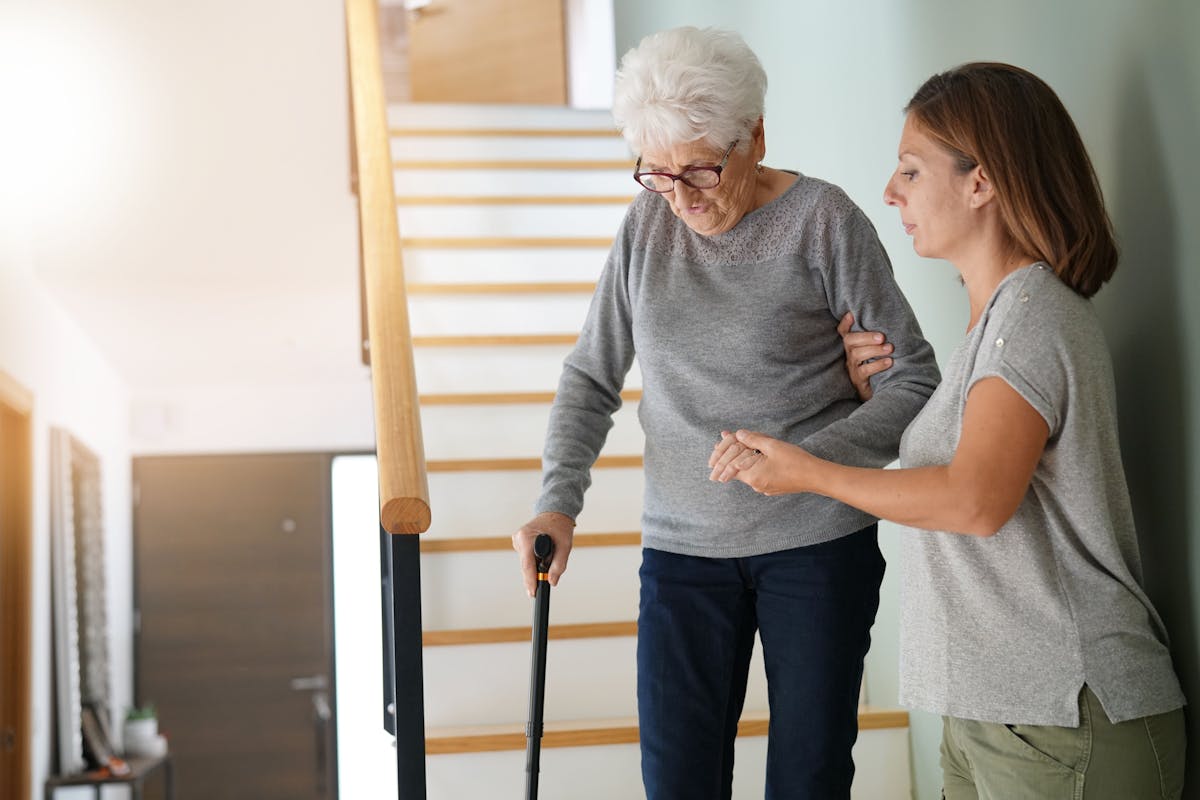
My neighbor Helen turned 82 last fall, and she has one strict rule: she’s not leaving her home. Not to a place, not to her daughter’s guest room, not to any location. She has set her goal, and she is not leaving.
I understand her home is where her husband’s pictures are. Where she brought up her children. Where the garden she planted thirty years ago still grows every spring. Leaving is more than just going away. It’s giving up something.
But there’s something Helen doesn’t like to share: last winter, she stumbled over a rug in the hallway. A few months earlier, she realized she hadn’t changed the smoke detector batteries in a long time. And the bathroom she’s used since 1985. Getting in and out of the shower has become difficult. Unstable or risky.
She’s hoping that her home, which has always been safe, will continue to be safe, just like many of us do. But getting older changes everything. That’s where a home safety check is useful.
What Actually Is a Home Safety Audit?
Let me explain something first.
A home safety audit isn’t a formal check with a clipboard and an official. It’s just a step-by-step check of a house to find any dangers and decide what should be fixed.
Imagine this: your home has been helping you for many years. But now, your body works a bit differently. The same stairs, the same bathroom, and the same kitchen might need to be used in different ways. An audit can be done by:
- A family member with a checklist
- An occupational therapist (the gold standard they catch things you’d never think of)
- A geriatric care manager
- Sometimes even local fire departments or aging agencies offer free assessments
The goal isn’t to turn a beloved home into a sterile medical facility. It’s to make small, often invisible changes that let someone stay exactly where they want to be.
Why Most Families Don’t Do This
Here’s the simple truth: many of us rarely think about keeping our homes safe until something goes wrong.
A drop a fright a close situation that makes everyone feel really anxious. Then we hurry to buy grab bars and move furniture around in a panic.
I understand nobody wants to be the person who goes to Mom’s house and says, “Let me check everything you’re doing wrong.” It feels judgmental. It feels like being in charge.
I’ve learned from talking to families that it’s much easier to do audits before a problem happens. When there’s no rush, you can talk more easily. You can decide together. You can pick grab bars that don’t look too much like something from a hospital.
Do it after a fall, and everything seems fast and frightening? Do it before, and it’s just. Planning making a plan.
Room by Room: What to Look For
Let’s walk through a house together. I’ll tell you what the experts look for.
Entryways and Exterior
This is where the house meets the outside world. Problems here can mean someone stops leaving.
- Steps and stairs:Are there handrails on both sides? Are they sturdy? Do steps have non-slip surfaces? Is the lighting adequate for nighttime?
- Doorways:Are thresholds tripping hazards? Is the door easy to open? Can someone manage the lock without struggling?
- Walkways:Cracks? Uneven pavement? Overgrown plants? Ice and snow management plan?
Living Areas
This is where most people spend their waking hours. Comfort matters, but safety matters more.
- Rugs:Throw rugs are the enemy. They curl. They slide. They catch walkers and canes. Remove them or secure them with double-sided tape.
- Pathways:Is there a clear path through every room? Furniture that forces tight squeezes becomes a fall risk.
- Lighting:Can every light be turned on from the room entrance? Are night lights placed in hallways and common paths?
- Electrical cords:Run under furniture, not across pathways. Extension cords should be temporary, not permanent solutions.
Kitchen
The kitchen is where seniors often spend time, but it’s also full of risks heat, sharp objects, reaching and bending.
- Frequently used items:Are everyday dishes, glasses, and staples within easy reach? No step stools. No stretching.
- Stove and oven:Are controls easy to see and operate? Would an automatic shut-off device make sense?
- Fire safety:Smoke detector nearby? Fire extinguisher accessible and not expired?
- Refrigerator:Can someone see what’s inside without bending or straining? Is there spoiled food that indicates meal preparation is becoming difficult?
Bathroom
This is the most dangerous room in the house. Falls here are common and often serious.
- Grab bars:Installed at toilet, shower, tub into wall studs, not just suction cups. A towel bar is not a grab bar.
- Shower and tub:Non-slip mats or strips. A shower chair or bench if standing is unsteady. Handheld shower head for seated bathing.
- Toilet:Is the height appropriate? A raised seat or toilet frame might help.
- Flooring:Non-slip. No small rugs that slide.
- Temperature:Water heater set to 120°F or below to prevent scalding.
Bedroom
A good night’s sleep matters. Getting safely in and out of bed matters more.
- Bed height:Can someone sit and stand easily? Too low is hard to get out of. Too high creates a fall risk.
- Path to bathroom:Night lights. Clear path. No clutter.
- Emergency access:Is there a phone or medical alert device within reach of the bed?
Stairs
Stairs are non-negotiable hazards. If someone uses them, they need to be as safe as possible.
- Handrails:Both sides. Sturdy. Continuous from top to bottom.
- Visibility:Top and bottom of stairs clearly marked. Light switches at both ends.
- Treads:Non-slip. No loose carpeting. No clutter ever.
The Hidden Hazards Most People Miss
Here are some important things that often get left out of simple checklists but really matter:
Fire safety means being careful to prevent fires and knowing what to do if a fire happens. There should be smoke detectors in each bedroom, outside sleeping areas, and on every floor. Try them out. Change the batteries every year. There should be carbon monoxide detectors on every floor.
Emergency plan In case of emergency. Can people escape quickly in a fire? Can emergency workers easily see the address from the road? Are emergency phone numbers shown near every phone?
Storing medicine are the medicines kept in a safe place. Are old medicines thrown away properly? Is there a way to make sure no doses are missed or given twice?
Temperature Controlling Is the house warm enough in the winter and cool enough in the summer. Older people are more sensitive to extreme temperatures.
Locks and safety. Can doors be locked easily? Can they be opened quickly in an emergency? Is there a way to check who is at the door without opening it?
Making the Audit Happen Without Conflict
The toughest part is talking.
If you’re an adult child, bringing a checklist can seem like you’re being judged. No one wants to find out that their home isn’t safe.
Here are some ways that are effective:
Make it sound like you are sharing what you learned. “I’ve been learning about how to keep my house safe, and I found out I don’t know much at all.” “Could you go through it with me and share what you know.”
Get help from someone who is not involved. A job therapist or a specialist in helping elderly people can say things that a family member may find hard to express. They are really good at what they do. It’s what they do for work.
Begin with little steps. Don’t try to fix everything all at the same time. Choose one thing to focus on, like putting night lights in the hallway, and begin with that.
Keep your attention on the goal. “We want you to stay here for as long as you’d like.” “These small changes make it happen.”
Pay attention if someone doesn’t want to change something, ask them why. Sometimes there is a good explanation. Sometimes, they just need someone to listen to them before they can agree.
What Comes After the Audit
After you find problems, you don’t need to solve all of them at the same time.
Put things in order of importance. First, we need to think about safety issues (like falling and fire hazards). Then being able to move around and do things on your own. Next comes comfort and ease.
Get help from a professional when you need it. To install grab bars, you need to locate the wooden beams inside the wall or use the right anchors. A handyman can’t help much if they don’t understand what special tools or devices are needed to assist people.
Check back often. Needs can change. A house that is safe when its 75 years old might need some fixes when it’s 80. Do the audit every year, not just once.
The Bottom Line
Helen, my neighbor who wants to stay in her home, finally agreed to let an occupational therapist check things out. Her daughter helped persuade her. Helen complained about it for weeks.
But later, they put in grab bars in the shower that are a shiny silver color to match her other bathroom fixtures. They changed the rug in the hallway to a runner that doesn’t slip. They put in night lights that turn on with movement. They put a chair in the shower so she can sit instead of standing.
Helen still complains sometimes. But she also said to me last week, “I’m sleeping better.” “I don’t stress about waking up at night.”
That’s what an audit checks. It doesn’t just get rid of dangers. It takes away the silent fear that hides beneath everything else.
That’s worth talking about.
Have you done a home safety audit for yourself or someone you love? What surprised you? Drop it in the comments.
Share this with someone who’s worried about a parent’s home but doesn’t know where to start.
Disclaimer: This article is for informational purposes only. Professional assessments should be conducted by qualified occupational therapists or aging-in-place specialists.